Wasser-Tier-Einäscherer?

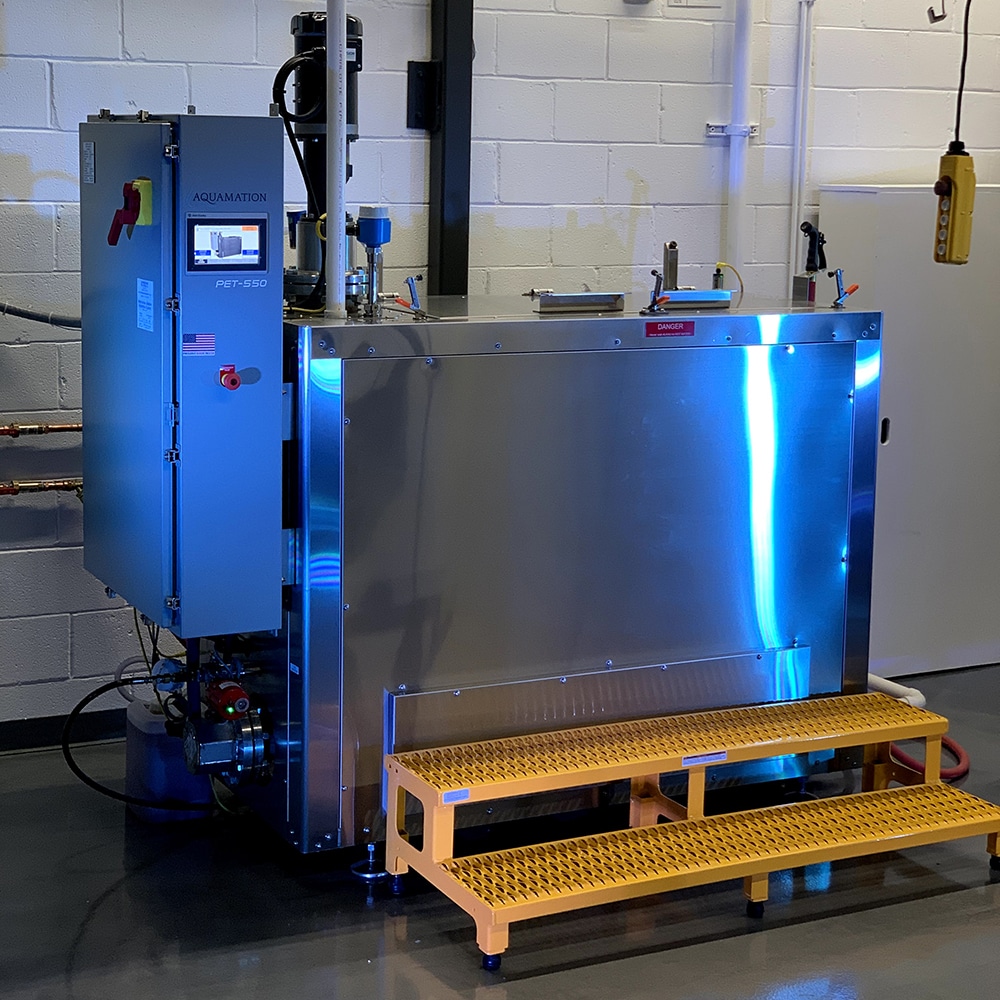
Aquamation ist eine Methode der endgültigen Bestattung, die sowohl für unsere menschlichen als auch für unsere tierischen Lieben verfügbar ist. Der wissenschaftliche Name für diesen wasserbasierten Prozess ist alkalische Hydrolyse. Es ist derselbe Prozess, der im natürlichen Ablauf stattfindet, wenn ein Körper in der Erde beigesetzt wird. Eine Kombination aus sanftem Wasserfluss, Temperatur und Alkalinität wird verwendet, um den Abbau von organischem Material zu beschleunigen.
Aquamation für Haustiere ist in den gesamten Vereinigten Staaten und Kanada zugelassen. Aquamation für Menschen ist in 21 Bundesstaaten, 4 Provinzen sowie in anderen Teilen der Welt zugelassen.
Der Aquamationsprozess wird nach etwaigen Aufbahrungs- oder Besuchszeiten durchgeführt, die die Familie wünscht. Wenn der Zeitpunkt für den Prozess gekommen ist, wird der Leichnam respektvoll in einen Edelstahlbehälter gelegt. Je nach individuellen Merkmalen (Gewicht, Geschlecht, Einbalsamierungsstatus) wird dem Prozess Alkali zugesetzt, und der Behälter wird mit Wasser gefüllt. Die Lösung aus 951 Teilen Wasser und 51 Teilen Alkali wird auf 93–150 °C erhitzt und während des gesamten Prozesses sanft umgewälzt.
Am Ende des Prozesses ist das gesamte Material in seine kleinsten Bausteine zerlegt; es sind keine DNA- oder RNA-Reste mehr vorhanden. Das sterile Prozesswasser wird dem Recycling zugeführt (Leichen bestehen zu etwa 65 % aus Wasser), und der Behälter führt eine Frischwasserspülung der Anlage und der Überreste durch. Wenn der Bediener die Tür öffnet, sind nur noch die anorganischen Knochenmineralien übrig. Diese Mineralien werden zu Pulver verarbeitet und der Familie in einer Urne zurückgegeben. Dieser letzte Verarbeitungsschritt entspricht dem Verfahren, das bei der Feuerbestattung angewendet wird. Viele Familien veranstalten eine Gedenkfeier oder ein Beisammensein, wenn die Überreste des geliebten Menschen in die Obhut der Familie zurückgegeben werden.
Medizinische Implantate werden bei diesem Verfahren nicht zerstört. Die Metalle sind nach dem Verfahren sauber, sterilisiert und sehen brandneu aus. Diese Metalle werden über einen Metallraffineriebetrieb recycelt und zu neuen Materialien verarbeitet. Die Metallraffinerien sind erstaunt über den makellosen Zustand von Metallen aus alkalischer Hydrolyse im Vergleich zur Flammenkremation.
Die Wassernutzung beim Aquamationsverfahren hat eine sehr geringe Auswirkung. Die Aquamation Prozess benötigt weniger Wasser als ein einzelner Haushalt an einem Tag verbraucht (Quelle: watr.usgs.gov). Das beinhaltet alles das für den Prozess verwendete Wasser, zusammen mit dem sauberen Wasser zum Abspülen der endgültigen Überreste und des Gefäßes.
Wenn Sie mehr erfahren möchten, wenden Sie sich bitte an Bio-Response Solutions unter (317) 386-3500
 English
  Nederlands
  Français
  Deutsch
  Italiano
  Polski
  Español