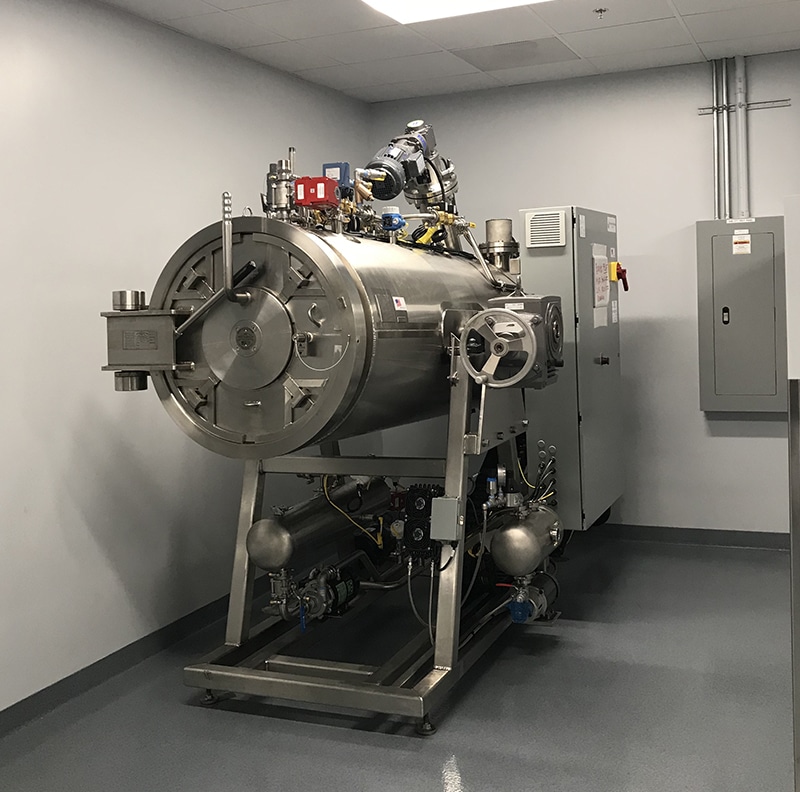
Qu'est-ce que l'hydrolyse alcaline ?

Alkaline Hydrolysis (Aquamation, Water Cremation)  is a method of final disposition that is available for both our human and pet loved ones.  A combination of gentle water flow, temperature, and alkalinity are used to accelerate the breakdown of organic materials.  The decomposition that occurs in alkaline hydrolysis is the same as that which occurs during burial, just sped up dramatically by the chemicals. The effluent is sterile, and contains salts, sugars, amino acids and peptides. There is no tissue and no DNA left after the process completes. This effluent is discharged with all other wastewater, and is a welcome addition to the water systems. (SOURCE: CANA)

There are several reasons people give for choosing alkaline hydrolysis, when available, instead of traditional flame-based cremation.

  1. It is viewed as a gentler process
  2. The process is more environmentally friendly. It uses significantly less fuel and has an overall lower carbon footprint than both traditional cremation and burial.
  3. Some people want cremation but are afraid of fire and see it as a good alternative.
  4. It is a new alternative to existing forms of disposition.

(SOURCE: CANA)

Alkaline hydrolysis was patented in the U.S. in 1888, and the process hasn’t changed much since then. The body is submerged in a solution of about 95 percent water and 5 percent alkali—usually sodium hydroxide or potassium hydroxide. The liquid is heated and set at a high pressure to avoid boiling, causing the body to shed its proteins and fats. The decomposition creates a coffee-colored liquid, which contains amino acids, peptides, sugars, and salts. That liquid gets flushed down the drain, and treated like any other type of wastewater. Only bones and metal remain. (SOURCE: NEW REPUBLIC)

La technologie moderne est utilisée par les universités et les industries scientifiques depuis plus de 25 ans ! Elle a été utilisée pour la disposition finale des corps humains donné à la science médicale depuis 1995. Le premier établissement pour animaux a ouvert ses portes en 2007, et le premier funérarium à utiliser la technologie en 2011.

For more information visit aquamationinfo.com/faq or e-mail Bio-Response Solutions at info@bioresponsesolutioons.com

Pet System
Human System