Aquamacja jest procesem, który wykorzystuje wodę i środki chemiczne do rozkładu ciała. Jest to alternatywa dla kremacji i tradycyjnego pochówku. Oto jak przebiega proces aquamacji: 1. **Przygotowanie ciała:** Po śmierci ciało umieszcza się w specjalnej komorze wykonanej ze stali nierdzewnej. 2. **Dodanie alkalia:** Do komory dodaje się mieszaninę wody i silnego środka chemicznego, zazwyczaj wodorotlenku potasu (KOH) lub wodorotlenku sodu (NaOH). Roztwór ten jest alkaliczny. 3. **Podgrzewanie i ciśnienie:** Komora jest następnie podgrzewana do temperatury około 175°C, a ciśnienie wewnątrz jest podwyższane. Te warunki przyspieszają proces rozkładu. 4. **Rozkład:** Pod wpływem ciepła, ciśnienia i alkalia tkanki ciała (proteiny, komórki tłuszczowe) są rozkładane na swoje podstawowe składniki. Kości, które są mineralne, pozostają nienaruszone. Proces ten przypomina naturalny rozkład ciała w ziemi, ale jest znacznie przyspieszony. 5. **Przepłukiwanie:** Po zakończeniu procesu rozkładu, płyn jest przepuszczany przez system filtracji, który zatrzymuje kości. Pozostały płyn jest bezpieczny i może być odprowadzony do systemu kanalizacyjnego. 6. **Kości:** Pozostałe po procesie kości są następnie suszone i łatwo kruszone, podobnie jak w przypadku kremacji, tworząc proch. Te prochy są następnie zwracane rodzinie. Aquamacja jest postrzegana jako bardziej przyjazna dla środowiska metoda niż kremacja, ponieważ zużywa mniej energii i nie emituje szkodliwych substancji do atmosfery.

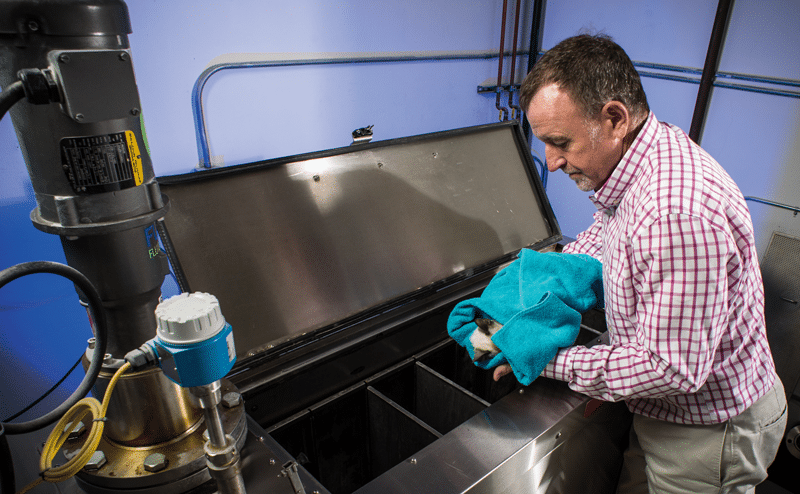
Akwamacja jest metodą ostatecznego pochówku, dostępną zarówno dla naszych ukochanych ludzi, jak i zwierząt. Nazwa naukowa tej metody opartej na wodzie to hydroliza alkaliczna. Jest to ten sam proces, który zachodzi naturalnie, gdy ciało zostanie złożone w ziemi. Połączenie łagodnego przepływu wody, temperatury i alkaliczności jest wykorzystywane do przyspieszenia rozkładu materiałów organicznych.
Nowoczesna technologia jest stosowana przez uniwersytety i przemysł naukowy od ponad 25 lat! Była używana do ostatecznego rozporządzania ludzkimi ciałami. przekazany na cele nauk medycznych od 1995 roku. Pierwszy obiekt dla zwierząt otwarto w 2007 roku, a pierwsze pogotowie wykorzystujące tę technologię — w 2011 roku.
Proces akwamacji odbywa się po wszelkich nabożeństwach lub ceremoniach pogrzebowych, które rodzina sobie życzy. Kiedy przyjdzie czas na ten proces, Ciało jednostki jest z szacunkiem umieszczane w naczyniu ze stali nierdzewnej. Do procesu dodaje się alkalidostosowany do indywidualnych cech. (waga, płeć, status balsamowania), a naczynie napełnia się wodą. Roztwór 95% w wodzie i 5% w roztworze alkalicznym podgrzewa się do temperatury 200–300°F i delikatnie cyrkuluje przez cały czas trwania procesu.
Często źle rozumianym faktem jest to, że faktycznie woda, która wykonuje rozkład podczas procesu Aquamation, a nie zasada.
Reakcja hydrolizy to każdy rodzaj reakcji, w której wiązania ulegają rozpadowi w wyniku wbudowania cząsteczek wody. W przypadku hydrolizy alkalicznej do wody dodaje się zasadę, aby stworzyć środowisko alkaliczne. Zmienia to zachowanie cząsteczek wody, powodując ich dysocjację na wodór i jony wodorotlenkowe. Roztwór zawiera jedynie 51% alkaliów; 95% stanowi woda. Równie ważne dla procesu są właściwości fizyczne układu (konstrukcja), ciągły przepływ roztworu oraz ciepło. Wszystko to wiąże się z teorią zderzeń oraz szybkością i stopniem zaawansowania reakcji.
Nasze ciała składają się w 65% z wody, a także z tłuszczów, białek, minerałów i węglowodanów. W trakcie tego procesu tłuszcze ulegają rozkładowi do soli, białka do aminokwasów i małych peptydów (czyli grup kilku aminokwasów), a węglowodany do cukrów. Proces ten rozkłada wszystkie substancje organiczne na ich najbardziej podstawowe elementy składowe, tak małe, że nie pozostaje po nich żaden ślad białek ani kwasów nukleinowych (DNA/RNA). Substancje organiczne rozpuszczają się w wodzie, która składa się z 96% wody oraz 4% aminokwasów, cukrów i soli w przeliczeniu na masę.
Implanty medyczne nie są niszczone w tym procesie. Metale są czyste, wysterylizowane i wyglądają jak nowe po zakończeniu procesu. Metale te są poddawane recyklingowi przez przetwórnię metali w celu wytworzenia nowych materiałów. Przetwórnie metali są pod wrażeniem nieskazitelnego stanu metali uzyskanych w procesie hydrolizy alkalicznej w porównaniu do kremacji płomieniowej.
Rozruszniki serca i wszelkie inne zasilany bateryjnie Implanty medyczne muszą zostać usunięte przed kremacją płomieniową, ponieważ baterie eksplodują w temperaturach stosowanych w procesie płomieniowym. Z Akwamacja, proces ten odbywa się w znacznie niższej temperaturze, która nie reaguje z bateriami. Oznacza to, że rodzina nie ponosi kosztów usunięcia rozrusznika serca, ani bliska osoba nie musi przechodzić zabiegu chirurgicznego związanego z jego usunięciem. Personel obsługujący nie jest narażony na ryzyko obrażeń. Rozrusznik serca jest odzyskiwany i poddawany recyklingowi po zakończeniu procesu.
– Mitch, Bio-Response Solutions
 English
  Nederlands
  Français
  Deutsch
  Italiano
  Polski
  Español